Avoid your inquiry is delay response, please enter your WhatsApp/Skype along with the message, so we can contact you at the very first time.
We will reply you within 24 hours. If for urgent case, please add WhatsApp: +8617862411260 or WeChat: +8617862411260. Or cal +8617862411260 directly.
Too much sugar leads to formulation headaches: calories, labels, and rising costs. The problem grows as you scale. The fix? The right sweetener strategy that keeps taste while cutting added sugar—without slowing R&D.
Looking for a clear answer on sweeteners in food? High-intensity sweetener systems can replace table sugar with sugar substitute options—natural and artificial sweetener types—approved by the FDA and global regulators, letting brands reduce sugar while protecting taste, cost, and stability.
About us—why this guide is practical:
MINISWEET is a China-based, export-oriented high-tech manufacturing plant focused on R&D and production of food-grade sweetener systems and functional food additives. We help food and beverage brands, confectionery and bakery producers, pharmaceutical and nutraceutical firms, and OEM/ODM buyers match the right sweeteners to their food product goals—taste, cost, labeling, and processing.
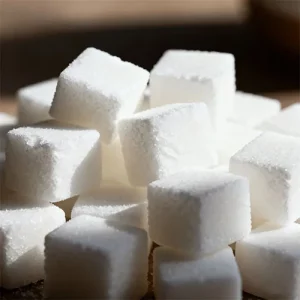
A sweetener is anything used as a sweetener to deliver sweetness in a food product. Sugar (sucrose) is a type of sugar that adds calories. A sugar substitute aims for similar sweetness of sugar but with fewer calories or different metabolic effects. Some sweeteners are widely used because they are many times sweeter than sugar and need only tiny amounts.
There are nutritive sweeteners (like sugar and some sugar alcohol ingredients) and non-nutritive sweetener or nonnutritive sweetener options (like aspartame, sucralose) that are much sweeter than sugar yet low or zero-calorie. Choosing among different sweeteners depends on taste, label, pH, processing, and shelf-life targets.
Most high-intensity sweetener choices are zero-calorie sweetener or near-zero at use levels and don’t raise blood sugar. They can help reduce refined sugar and total sugar intake while keeping the level of sweetness as sugar your consumers expect. For diabetics or low-carb lines, sweeteners may support targets that reduce sugar instead of sugar, but total formulation (carriers, bulking, syrups) still matters.
Sugar alcohols are carbohydrates (e.g., erythritol, xylitol). A sugar alcohol found in many mints may raise blood sugar levels less than sucrose, but labeling rules vary and gastrointestinal tolerance must be considered. Select polyols when you also need bulk, humectancy, and freezing point control.
The FDA states that aspartame and other sweeteners are safe when used under approved for use conditions; it has reiterated that aspartame remains acceptable at current permitted levels.
In 2023, WHO’s IARC labeled aspartame a “possible carcinogen,” while the WHO/JECFA review approved for use levels by keeping the ADI at 0–40 mg/kg bw/day; differing bodies can view evidence differently, which is why responsible, spec-driven sourcing and conservative usage are best practice.
A natural sweetener like stevia or monk fruit sweetener is derived from leaves or fruit extract and is often marketed as a sugar alternative. An artificial sweetener (e.g., aspartame, sucralose) is synthesized and can be many times sweeter than sugar with consistent specs and excellent stability across food and beverage systems.
Use in food differs by pH, temperature, processing, and matrix. Some clean label programs prefer “from plant,” while others prioritize taste parity compared to table sugar. Often the winning move is a combination with other sweeteners—pairing, say, sucralose with acesulfame-K for roundness, or stevia with monk fruit to soften bitterness.
We supply full packs—CoA, MSDS, sweeteners is available specs, sweeteners permitted statements, and region-specific claims. We follow ISO, HACCP, and expert committee on food additives guidance (e.g., JECFA) where applicable. Your regulatory and QA teams get clean, verifiable files for smooth import and inspection.
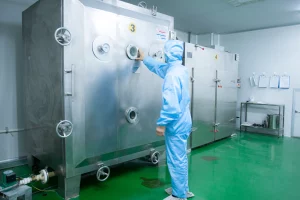
MINISWEET capabilities for brands, distributors, and OEM/ODM buyers
Are artificial sweeteners safe?
Regulators review safety data. The FDA says aspartame (and several others) are safe when used under approved conditions. WHO/IARC flagged aspartame as “possible carcinogen,” while JECFA kept the ADI. Formulate conservatively and document use.
Do sweeteners affect blood sugar levels?
Most high-intensity sweetener ingredients contribute negligible calories and generally don’t raise blood sugar at typical usage. Polyols vary; check your nutrition panel and local rules.
Can I bake with aspartame?
It can lose sweetness at high temperatures and long heat; consider sucralose or blends for ovens or retorts.
What’s the best sugar substitute for dairy?
Often sucralose (clean, heat-tolerant) plus a little Ace-K; for “natural,” stevia + monk fruit works with proper flavoring.
How close can I get to the level of sweetness as sugar?
With the right blend and acids, you can get very close—practically sweet as sugar in blind tests.
Are artificial sweeteners and cancer linked?
Evidence is mixed; agencies reach different conclusions. Follow ADIs and keep usage within approved for use rules.