Avoid your inquiry is delay response, please enter your WhatsApp/Skype along with the message, so we can contact you at the very first time.
We will reply you within 24 hours. If for urgent case, please add WhatsApp: +8617862411260 or WeChat: +8617862411260. Or cal +8617862411260 directly.
Sugar adds calories and cost. Cut it too fast and taste suffers. Solution: Use the right sweetener system—designed for your process, label, and market—to reduce added sugar while keeping flavor.
A high-powered sweetener plan blends sugar substitute options—both artificial sweetener and natural sweetener—that are approved for use by the FDA and global agencies. Properly chosen, these sweeteners in food can match the sweetness of sugar while lowering calories and stabilizing costs.
Who we are (authority):
MINISWEET is a China-based, export-oriented high-tech manufacturing plant specializing in R&D and production of food-grade sweetener systems and functional food additive solutions for food and beverage, confectionery & bakery, pharmaceutical/nutraceutical, OEM/ODM private labels, distributors, and global sourcing teams.
A sweetener is any ingredient you use as a sweetener in a food product. Sugar (sucrose) is a type of sugar that delivers sweetness and calories, browning, and texture. By contrast, a sugar substitute targets the level of sweetness as sugar using much lower solids or energy.
There are types of sweeteners worth separating:
Why it matters: Your choice shifts taste timing, heat tolerance, acidity response, and labeling. The winner is a sweetener that may meet your sensory goals compared to table sugar, within budget and regulation.


A non-nutritive sweetener (also writtennonnutritive sweetener) like aspartame, sucralose, stevia, or monk fruit is much sweeter than sugar yet very low in calories—sometimes a zero-calorie sweetener at use levels. These can be sweeter than sugar but contribute almost no bulk, so bakers often pair HIS with polyols or carriers.
Nutritive sweeteners and sugar alcohol bring body, mouthfeel, and humectancy. A sugar alcohol found in gum can cool the palate; others improve freezing-point in ice cream. Your pick depends on “sweetness as sugar in food,” texture, and shelf-life targets.


Reality check: Sweeteners may save calories, but sugar substitutes may also change flavor release. Most wins come combined with other sweeteners or combined with sugar at reduced amount of sugar.
Most HIS doesn’t raise blood sugar at tiny usage levels, so they help reduce sugar instead of sugar without spikes in blood sugar. That said, sugar alcohols are carbohydrates and can raise blood sugar levels depending on type and dose. Always test full formulas—bulking syrups, carriers, and starches also affect sugar in food and panel claims.
HIS vary under high temperatures:
Compared to table sugar, HIS don’t brown or build body. If you need “crust” color or Maillard, keep a partial use of sugar or add a “sugar replacement” for bulk. Adjust acids and salts to keep the same level of sweetness as sugar.
There are many sugar substitutes and different sweeteners, but no single hero. Blends unlock synergy:
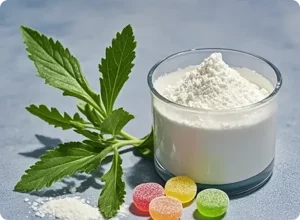
Blends reduce the concentration of sweetener needed, control off-notes, and protect taste across processing. This is the proven route for sweeteners on human perception panels.
Do these ingredients raise blood sugar?
HIS typically doesn’t raise blood sugar at normal use. Some polyols may modestly affect blood sugar levels. Always test your full recipe—including carriers and syrups.
Which sugar substitute used in bakery works best?
Sucralose and Ace-K handle heat well. Aspartame is less stable in ovens. If you need browning, keep a little sucrose or add a bulking sugar replacement.
How many times sweeter than sugar are these?
Ranges vary: sucralose (~600×), Ace-K and aspartame (~200×), stevia (~200–300×), monk fruit (~150–250×). That’s why small dosing works—times sweeter than table sugar in effect.
Can we market natural cues without stevia bitterness?
Yes. Use stevia with monk fruit and flavor shields, or a tiny synthetic HIS combined with other sweeteners to keep “natural” positioning while smoothing edges.